

Investor Academy
Conferences
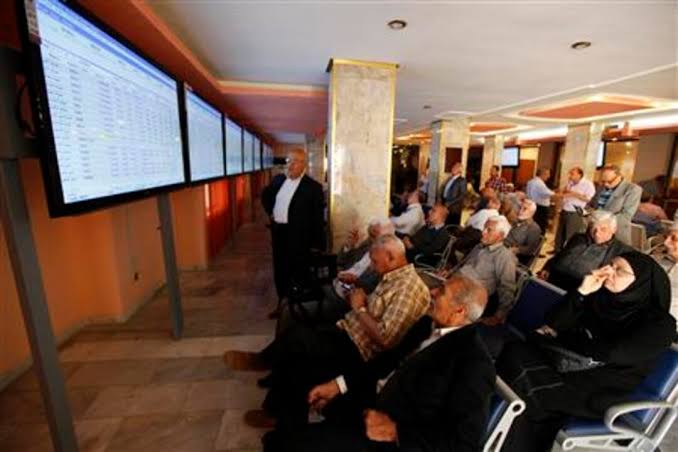
ISX Annual Investment Forum 2026
The ISX Annual Investment Forum is the flagship event of the Iraq Stock Exchange, bringing together listed companies, licensed brokerage firms, institutional investors, and regulators under one roof to discuss the state and future of Iraq's capital markets. This year's forum takes place against a backdrop of improving political and economic stability, with organizers expecting record attendance from both domestic and international participants. The opening keynote will be delivered by senior officials from the Iraqi Securities Commission (ISC), outlining the regulatory roadmap for the coming year, including planned updates to listing requirements and disclosure standards. A dedicated market outlook session will review the performance of the ISX60 and ISX15 indices over the past twelve months, with analysts offering their perspective on sector rotation and valuation trends across the exchange. Representatives from the Banking sector, historically the largest by market capitalization, will present a panel on credit growth, dividend policy, and the outlook for consolidation among smaller banks. The Telecommunications sector panel will focus on digital transformation, subscriber growth trends, and how listed telecom operators are positioning themselves against regional competitors. A separate session will be devoted to the Industry, Agriculture, and Hotels & Tourism sectors, highlighting companies that have historically been under-covered by research analysts but may offer long-term growth potential. One of the most anticipated sessions of the forum addresses foreign investment participation, featuring a panel of international fund managers who currently hold positions in ISX-listed securities. This panel will cover practical topics such as capital repatriation procedures, KYC requirements for non-Iraqi investors, and the process of opening an in-country bank account to facilitate trading transfers. A companion workshop will walk brokerage representatives through recent enhancements to remote and mobile trading platforms, reflecting the exchange's push toward greater accessibility for retail investors. The forum will also feature a corporate governance track, where listed companies share best practices around timely disclosure, minority shareholder protections, and compliance with Companies Law No. 21 of 1997. A dedicated IPO readiness session will walk prospective issuers through the exchange's listing criteria, including minimum capital thresholds, audited financial statement requirements, and minimum public float obligations. Throughout the two-day event, attendees can expect detailed discussion of dividend trends across the market, with several banks and telecom companies expected to reaffirm payout guidance for the current fiscal year. A panel on taxation and investor incentives will reiterate the capital gains tax exemption available to all investors, whether individual or corporate, domestic or foreign, and its role in attracting long-term capital. Risk management will also be addressed directly, with a session dedicated to helping new investors understand sector concentration risk and the importance of diversifying across multiple industries. The forum's exhibition hall will host booths from licensed brokerage firms, allowing attendees to compare trading platforms, commission structures, and research offerings side by side. A special session will be held for institutional investors interested in understanding the current landscape of alternative investment instruments, including the limited availability of government bonds and the current absence of mutual funds in the market. Networking breaks between sessions are designed to connect prospective investors directly with company management teams, brokers, and regulators in an informal setting. A regulatory Q&A session will give attendees the opportunity to raise questions directly with ISC representatives regarding licensing, disclosure obligations, and investor protection mechanisms. The forum will close with a roundtable discussion on the long-term outlook for the exchange, covering expected new listings, potential index rebalancing, and the broader economic reforms that could shape market activity in the years ahead. Attendees are encouraged to register in advance, as seating for sector-specific panels is limited and has historically filled quickly given strong demand from both local and international participants. This event is free to attend for registered investors and brokerage professionals, with select sessions also made available via live stream for those unable to attend in person. The forum reflects the exchange's broader mission of improving transparency, deepening market participation, and positioning the Iraq Stock Exchange as an increasingly attractive destination for both domestic and foreign capital. Read more

SME Listing & Growth Market Conference
The SME Listing & Growth Market Conference brings together small and medium-sized enterprises, exchange listing officers, and brokerage representatives to explore the pathway from private company to publicly listed entity. For many SME owners, the exchange remains an underused source of growth capital, and this conference aims to demystify what the listing process actually involves. The opening session will outline the exchange's core listing criteria, including the requirement to operate as a joint-stock company and meet minimum capital thresholds set under current listing regulations. Prospective issuers will learn about the requirement to submit audited financial statements covering at least the preceding two fiscal years as part of the listing application. A dedicated segment will address minimum public float requirements, explaining how much of a company's shares must be made available to public investors at the time of listing. Panelists will include representatives from companies that have successfully listed in recent years, sharing firsthand accounts of the preparation timeline and common challenges encountered along the way. A session on corporate governance readiness will cover what SMEs need to put in place before listing, including board structure, internal controls, and disclosure processes required under Companies Law No. 21 of 1997. Attendees will also hear from brokerage firms about the role they play in guiding a company through the listing process, from initial advisory work through to the first day of trading. The conference will address common misconceptions among SME owners, particularly the belief that listing requires giving up significant control of the company to outside investors. A dedicated Q&A session with ISC representatives will allow attendees to ask direct questions about the regulatory approval process and expected review timelines. Financing alternatives will also be discussed, comparing the cost of raising capital through a public listing against traditional bank lending or private equity investment. A panel on post-listing obligations will cover ongoing disclosure requirements, including quarterly and annual financial reporting obligations once a company is publicly listed. Speakers will highlight the visibility and credibility benefits that come with a public listing, particularly for companies seeking to attract new customers, partners, or additional capital in the future. The conference will also touch on sector-specific opportunities, noting that industry, agriculture, and services companies remain underrepresented on the exchange relative to banking and telecommunications. A workshop segment will walk attendees through preparing a listing prospectus, including the type of financial and operational disclosures investors will expect to see. Networking sessions throughout the day are designed to connect SME owners directly with brokers, auditors, and legal advisors experienced in guiding companies through the listing process. A case study presentation will examine a recent SME listing from initial application through to its first year of trading, highlighting lessons learned along the way. The conference will also cover investor relations basics, helping newly listed companies understand how to communicate effectively with shareholders and the broader market. Attendees will learn about the timeline expectations for a typical listing process, from initial application through regulatory review to the first day of trading on the exchange. A closing panel will discuss the exchange's broader strategy for encouraging SME participation, including any planned incentives or simplified pathways for smaller issuers. The event will conclude with a roundtable where SME owners can raise specific questions about their own company's readiness directly with exchange and regulatory representatives. Registration is open to business owners, company executives, accountants, and legal advisors interested in understanding the public listing process on the Iraq Stock Exchange. This conference reflects the exchange's ongoing effort to diversify its base of listed companies and provide a genuine growth capital pathway for Iraq's small and medium-sized enterprises. Read more
Start deposit of Al-Khair Insurance Company shares – OTC platform
The listing procedures for Al-Khair Insurance Company – OTC platform, with a capital of (5,000,000,000) dinars, have been completed, in accordance with the instructions of the Securities Commission. The process of depositing share certificates for the company’s shareholders will commence on Tuesday, September 1, 2026. Trading will commence after the deposit of 5% of the capital or after 21 days from the date of the deposit. Read more
Educational Resources
Glossary of Stock Market Terms
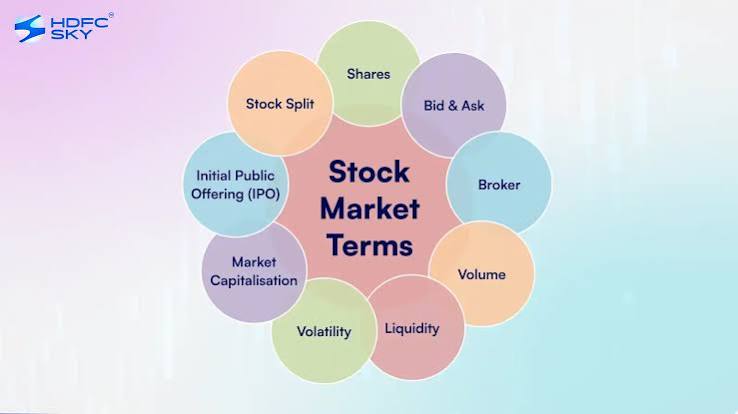
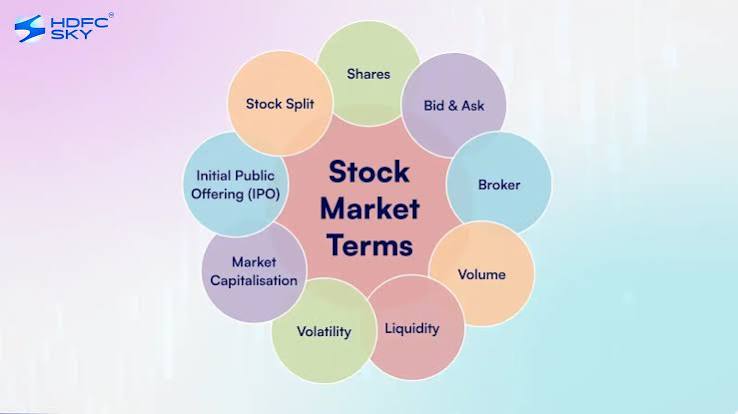
Understanding market terminology is often the first hurdle new investors face, and this glossary walks through the most common terms used across the ISX website and trading platforms. Bid price refers to the highest price a buyer is currently willing to pay for a stock, while offer price (also called ask price) refers to the lowest price a seller is currently willing to accept. The spread is the difference between the bid and offer price, and a narrower spread generally indicates a more actively traded, liquid stock. Turnover refers to the total value of shares traded for a given stock over a specific period, calculated by multiplying the number of shares traded by their price. Free float describes the portion of a company's total shares that are available for public trading, excluding shares held by founders, government entities, or other long-term strategic holders. Market capitalization, often shortened to market cap, represents a company's total value as measured by its current share price multiplied by its total number of outstanding shares. Dividend yield expresses a company's annual dividend payment as a percentage of its current share price, helping investors compare income potential across different stocks. The price-to-earnings ratio, or P/E ratio, compares a company's share price to its earnings per share, giving investors a quick way to gauge relative valuation. Earnings per share, or EPS, represents a company's total profit divided by its number of outstanding shares, and is a key input into the P/E ratio calculation. Par value refers to the nominal value assigned to a share at the time of issuance, which may differ significantly from its current market trading price. A rights issue is a corporate action in which a company offers existing shareholders the opportunity to purchase additional shares, typically at a discounted price, usually to raise additional capital. A stock split occurs when a company divides its existing shares into multiple new shares, reducing the price per share while keeping the total value of an investor's holding unchanged. Volume refers to the total number of shares traded for a stock during a given period, and is often used alongside price movement to gauge the strength of a trend. A limit order is an instruction to buy or sell a stock at a specified price or better, while a market order executes immediately at the best currently available price. The order book is a real-time record of all outstanding buy and sell orders for a stock, showing the quantities available at each price level. Last traded price, often abbreviated LT Price, refers to the price at which the most recent transaction for a given stock occurred. The 52-week range shows the highest and lowest prices a stock has traded at over the past year, giving investors context for its recent price history. Beta measures a stock's volatility relative to the broader market; a beta above 1 suggests the stock tends to move more sharply than the market, while a beta below 1 suggests more stability. A blue-chip stock refers to a well-established, financially stable company, often with a strong track record of consistent performance and dividend payments. An index, such as the ISX60 or ISX15, tracks the combined performance of a defined basket of stocks, providing a benchmark for overall market or sector performance. A disclosure refers to information a listed company is required to publicly share, covering financial results, corporate actions, or other material events that may affect its share price. An IPO, or Initial Public Offering, refers to the process through which a private company first offers its shares to the public and becomes listed on the exchange. A watchlist is a personalized list of stocks an investor tracks for price movement and news, without necessarily holding a position in those stocks. Understanding these terms builds a foundation for reading market data confidently, whether reviewing your portfolio, researching a new stock, or interpreting a company's financial disclosures. This glossary will continue to expand as new terminology becomes relevant to investors navigating the Iraq Stock Exchange. Read more
Add Initial Public Offering to Al-Taif Islamic Bank
The Iraqi Central Securities Depository has completed the procedures for adding Initial Public Offering shares amounting to (5,093,450,000) shares after increasing the capital of Al-Taif Islamic Bank from (250,000,000,000) dinars to (255,093,450,000) dinars, in accordance with Article (55/First), to the accounts of shareholders depositing with brokers. Accordingly, the shares will be tradable as of the session on Sunday, October 5, 2025. Read more
Issue number 7 of (Iraq Stock Exchange’s Electronic Information weekly Newsletter)
The Iraqi Securities Depository Center (ICSD) signed a shareholder registration agreement with Al-Qabas Insurance Company on Tuesday, August 18, 2026, for the inclusion of Al-Qabas Insurance Company on the Over-the-Counter (OTC) platform. The agreement was signed by Mr. Ali Jamal Amin, CEO of the Iraq Stock Exchange, and Mr. Sattar Karam Eidan, Managing Director of Al-Qabas Insurance Company, with a capital of 15 billion Iraqi dinars. This signing is part of fulfilling the requirements for listing the company on the OTC platform, in accordance with applicable rules and regulations. It contributes to enhancing transparency, regulating securities ownership, and protecting shareholders’ rights. Both parties affirmed that this step represents a significant addition to the development of the Iraq Stock Exchange and supports efforts to strengthen investor confidence and broaden market participation. Read more
Test Exchange Program
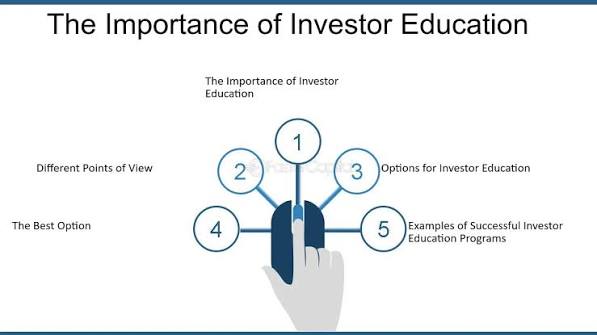
Program Overview: The Investor Education Program is a continuous initiative by the Iraq Stock Exchange (ISX) aimed at enhancing financial literacy and encouraging informed participation in the capital market. The program is designed to provide individuals with the knowledge and tools needed to better understand investment principles, market operations, and trading practices. Objectives: Improve awareness of capital market fundamentals Educate investors on trading processes and risk management Read more
ISX Launches New Investor Education Initiative to Boost Market Participation
The Iraq Stock Exchange (ISX) has officially launched a new phase of its Investor Education Program, a continuous initiative designed to strengthen financial literacy among current and prospective investors across the country. The program comes as part of ISX's broader strategy to deepen market participation and build a more informed investor base capable of making sound financial decisions. According to officials at the exchange, the initiative will focus on several core areas, including the fundamentals of capital markets, trading mechanics, portfolio diversification, and risk management. Sessions will be delivered through a mix of in-person workshops, online modules, and printed educational materials distributed to brokerage firms and university partners. ISX representatives noted that the program specifically targets first-time investors, university students, and individuals from underserved regions who have historically had limited exposure to capital markets. The exchange also plans to work closely with licensed brokers to ensure that new investors entering the market are equipped with a baseline understanding of trading procedures and associated risks. In recent years, ISX has seen a gradual increase in retail investor participation, a trend officials hope to accelerate through sustained educational outreach. The initiative is also expected to support the exchange's long-term goal of improving market depth and liquidity by expanding the pool of active, well-informed participants. Officials indicated that the program will be reviewed periodically, with content updated to reflect regulatory changes, new financial products, and investor feedback. Representatives from the Iraqi Securities Commission welcomed the initiative, describing investor education as a critical pillar of capital market development. The program is also seen as a step toward aligning ISX's practices with regional and international standards for investor protection and market transparency. Local university partnerships are expected to be announced in the coming months, allowing students in finance and economics programs to engage directly with ISX-led coursework. Analysts have described the initiative as a timely move, given the growing interest in local equities among younger, tech-savvy investors. The exchange has encouraged interested individuals and institutions to reach out directly for information on upcoming sessions and enrollment. Further updates on program milestones and participation numbers are expected to be shared in subsequent quarters. Read more
Understanding Corporate Actions: Dividends, Rights Issues, and Par Value Changes
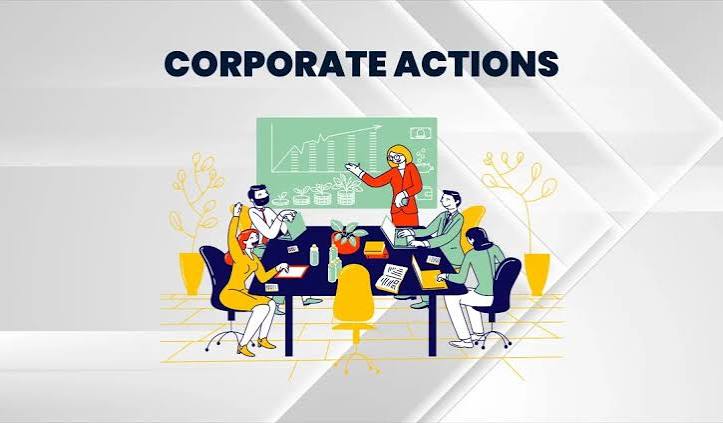
Corporate actions are events initiated by a listed company that directly affect its shareholders, and understanding them helps investors interpret changes to their holdings correctly. The most common corporate action is a cash dividend, where a company distributes a portion of its profits directly to shareholders, typically following approval at a General Assembly meeting. Dividend payments on the ISX are usually distributed within 30 to 60 days of approval, via check or direct bank transfer, and shareholders must ensure their share certificates are up to date to receive payment. Historically, banking and telecommunications companies on the exchange have offered some of the most consistent dividend yields, often ranging between 6% and 12% annually. A rights issue is another common corporate action, where a company offers existing shareholders the opportunity to purchase additional shares, usually at a discounted price relative to the current market rate. Rights issues are typically used by companies seeking to raise additional capital for expansion, debt repayment, or other strategic purposes without taking on new external investors. Shareholders who choose not to participate in a rights issue may see their ownership percentage diluted, since the company's total number of outstanding shares increases. A par value change is a less frequent corporate action, in which a company adjusts the nominal value assigned to each share, which can affect the total number of shares outstanding. Par value reductions are sometimes used to address accumulated losses on a company's balance sheet, effectively restructuring the company's capital base. Stock splits, while less common on the ISX than in some other markets, involve dividing existing shares into multiple new shares, lowering the price per share without changing the total value of a shareholding. Investors should understand that a stock split or par value change does not itself create or destroy value; it simply changes how that value is divided across a larger or smaller number of shares. Corporate actions are announced through the ISX Disclosures section, and investors are encouraged to review these announcements regularly, particularly for companies they currently hold. Each corporate action announcement typically includes key dates: an announcement date, an effective date, and sometimes a completion date, all of which matter for determining eligibility. To receive a dividend or participate in a rights issue, an investor generally must hold the shares before a specified record date, after which new buyers would not be eligible for that particular action. Corporate actions can also include mergers and acquisitions, where two companies combine or one company acquires another, often requiring shareholder approval and regulatory review. Board meeting outcomes are another disclosure category closely tied to corporate actions, since major decisions affecting shareholders, such as dividend approvals, are typically finalized at these meetings. Trading suspension notices may accompany significant corporate actions, temporarily halting trading in a stock while material information is being finalized or disclosed to the market. Investors holding shares through a brokerage account do not need to take manual action to receive most dividends, as payments are typically processed automatically based on shareholding records. For rights issues, however, investors usually need to actively decide whether to participate and may need to submit instructions to their broker within a specified subscription period. Understanding the tax treatment of corporate actions is also important; under Iraqi tax law, capital gains from share trading are fully exempt for all investor types, which extends to gains realized through most corporate action outcomes. New investors are encouraged to read the full text of any corporate action disclosure rather than relying solely on summary headlines, since key details often appear in the full announcement. Tracking corporate actions across a diversified portfolio can become complex, and many investors use a personal watchlist combined with regular review of the Disclosures section to stay informed. Brokerage firms can often provide guidance on how a specific corporate action will affect an investor's individual holdings, particularly for less common actions like par value changes. Staying informed about corporate actions helps investors avoid confusion when their share count, cost basis, or portfolio value changes unexpectedly due to a company-initiated event. This resource has covered the most common corporate actions affecting ISX-listed companies, including dividends, rights issues, and par value changes, along with the key dates and disclosures investors should monitor. Read more
Electronic Equity Trading yes
Facilitates continuous buy and sell order matching based on price and time priority through licensed brokerage firms yes