
 Sep 9, 2026
Glossary of Stock Market Terms
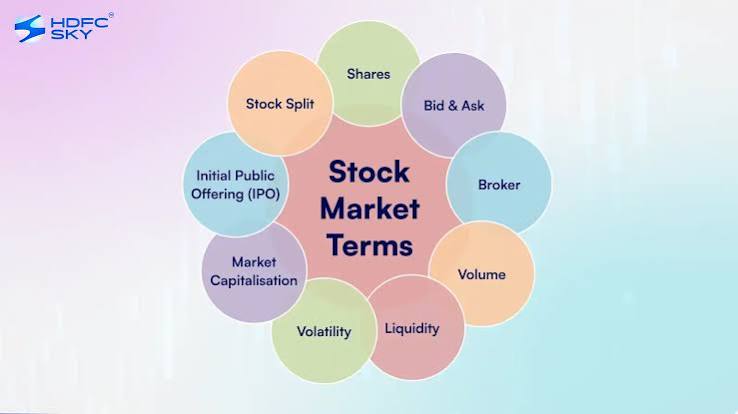
Understanding market terminology is often the first hurdle new investors face, and this glossary walks through the most common terms used across the ISX website and trading platforms. Bid price refers to the highest price a buyer is currently willing to pay for a stock, while offer price (also called ask price) refers to the lowest price a seller is currently willing to accept. The spread is the difference between the bid and offer price, and a narrower spread generally indicates a more actively traded, liquid stock. Turnover refers to the total value of shares traded for a given stock over a specific period, calculated by multiplying the number of shares traded by their price. Free float describes the portion of a company's total shares that are available for public trading, excluding shares held by founders, government entities, or other long-term strategic holders. Market capitalization, often shortened to market cap, represents a company's total value as measured by its current share price multiplied by its total number of outstanding shares. Dividend yield expresses a company's annual dividend payment as a percentage of its current share price, helping investors compare income potential across different stocks. The price-to-earnings ratio, or P/E ratio, compares a company's share price to its earnings per share, giving investors a quick way to gauge relative valuation. Earnings per share, or EPS, represents a company's total profit divided by its number of outstanding shares, and is a key input into the P/E ratio calculation. Par value refers to the nominal value assigned to a share at the time of issuance, which may differ significantly from its current market trading price. A rights issue is a corporate action in which a company offers existing shareholders the opportunity to purchase additional shares, typically at a discounted price, usually to raise additional capital. A stock split occurs when a company divides its existing shares into multiple new shares, reducing the price per share while keeping the total value of an investor's holding unchanged. Volume refers to the total number of shares traded for a stock during a given period, and is often used alongside price movement to gauge the strength of a trend. A limit order is an instruction to buy or sell a stock at a specified price or better, while a market order executes immediately at the best currently available price. The order book is a real-time record of all outstanding buy and sell orders for a stock, showing the quantities available at each price level. Last traded price, often abbreviated LT Price, refers to the price at which the most recent transaction for a given stock occurred. The 52-week range shows the highest and lowest prices a stock has traded at over the past year, giving investors context for its recent price history. Beta measures a stock's volatility relative to the broader market; a beta above 1 suggests the stock tends to move more sharply than the market, while a beta below 1 suggests more stability. A blue-chip stock refers to a well-established, financially stable company, often with a strong track record of consistent performance and dividend payments. An index, such as the ISX60 or ISX15, tracks the combined performance of a defined basket of stocks, providing a benchmark for overall market or sector performance. A disclosure refers to information a listed company is required to publicly share, covering financial results, corporate actions, or other material events that may affect its share price. An IPO, or Initial Public Offering, refers to the process through which a private company first offers its shares to the public and becomes listed on the exchange. A watchlist is a personalized list of stocks an investor tracks for price movement and news, without necessarily holding a position in those stocks. Understanding these terms builds a foundation for reading market data confidently, whether reviewing your portfolio, researching a new stock, or interpreting a company's financial disclosures. This glossary will continue to expand as new terminology becomes relevant to investors navigating the Iraq Stock Exchange.